TOUR OVERVIEW
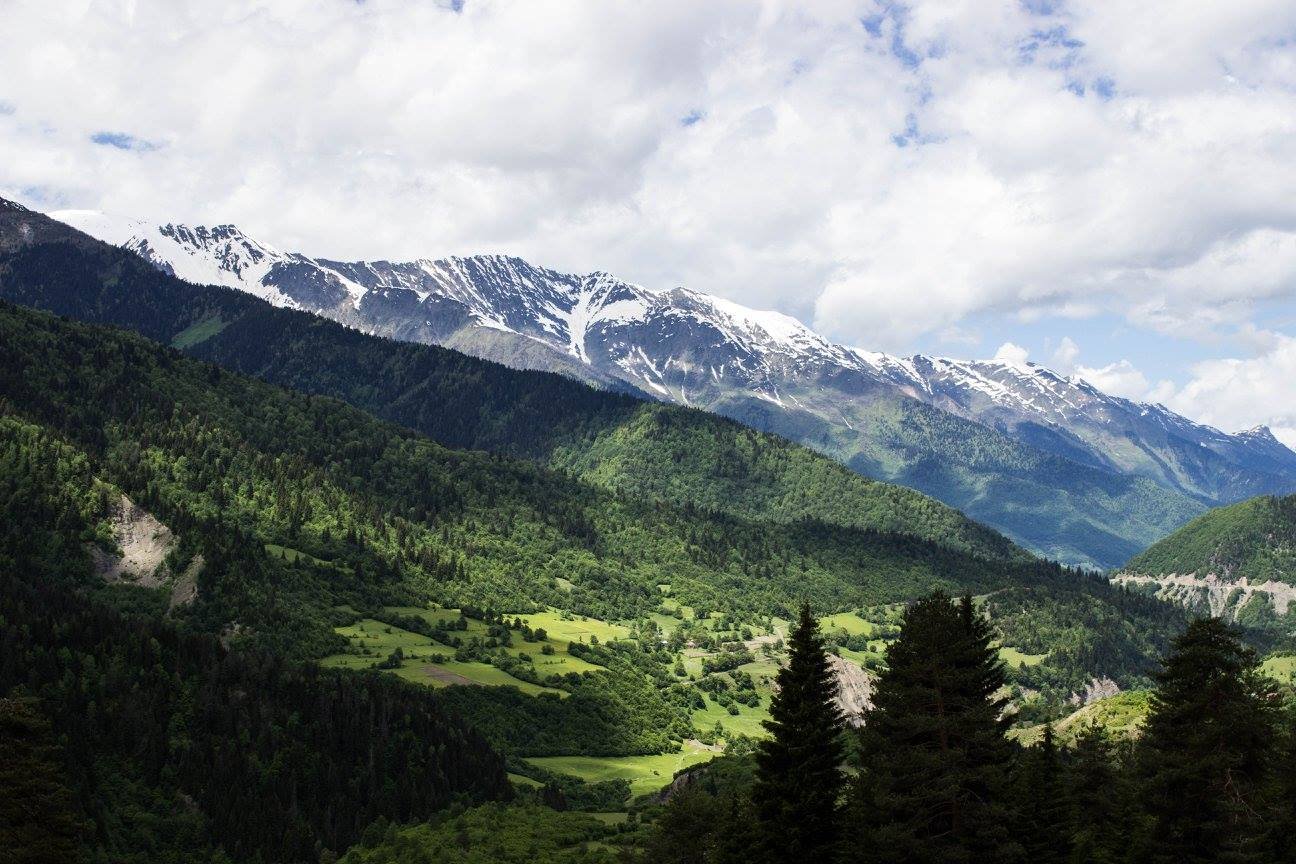
This 5-day Svaneti tour is designed for travelers who want to experience the region deeply without committing to a difficult multi-day trek. It combines the most important highlights of Svaneti with quieter village experiences that many visitors miss: Mestia’s medieval towers, Becho Valley and Shdugra Waterfall, Ushguli and Mount Shkhara views, Chalaadi Glacier, Lakhushdi village, Tangili Church, and the Mestia Museum of History and Ethnography.
The tour is easy to moderate. It includes short hikes, cultural visits, scenic 4×4 drives, family guesthouse stays, traditional food, and time with local Svan guides who know the region beyond the usual tourist stops. It is a good choice for families, first-time visitors to Svaneti, photographers, culture-focused travelers, and anyone who wants a balanced program of nature, villages, history, and light adventure.
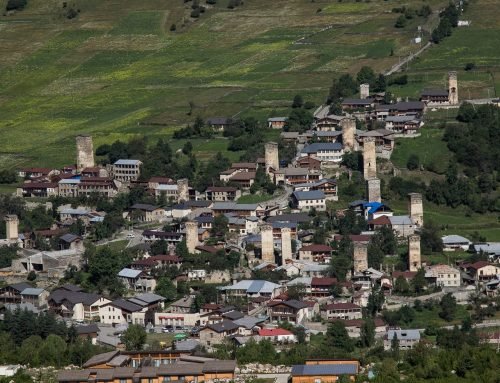
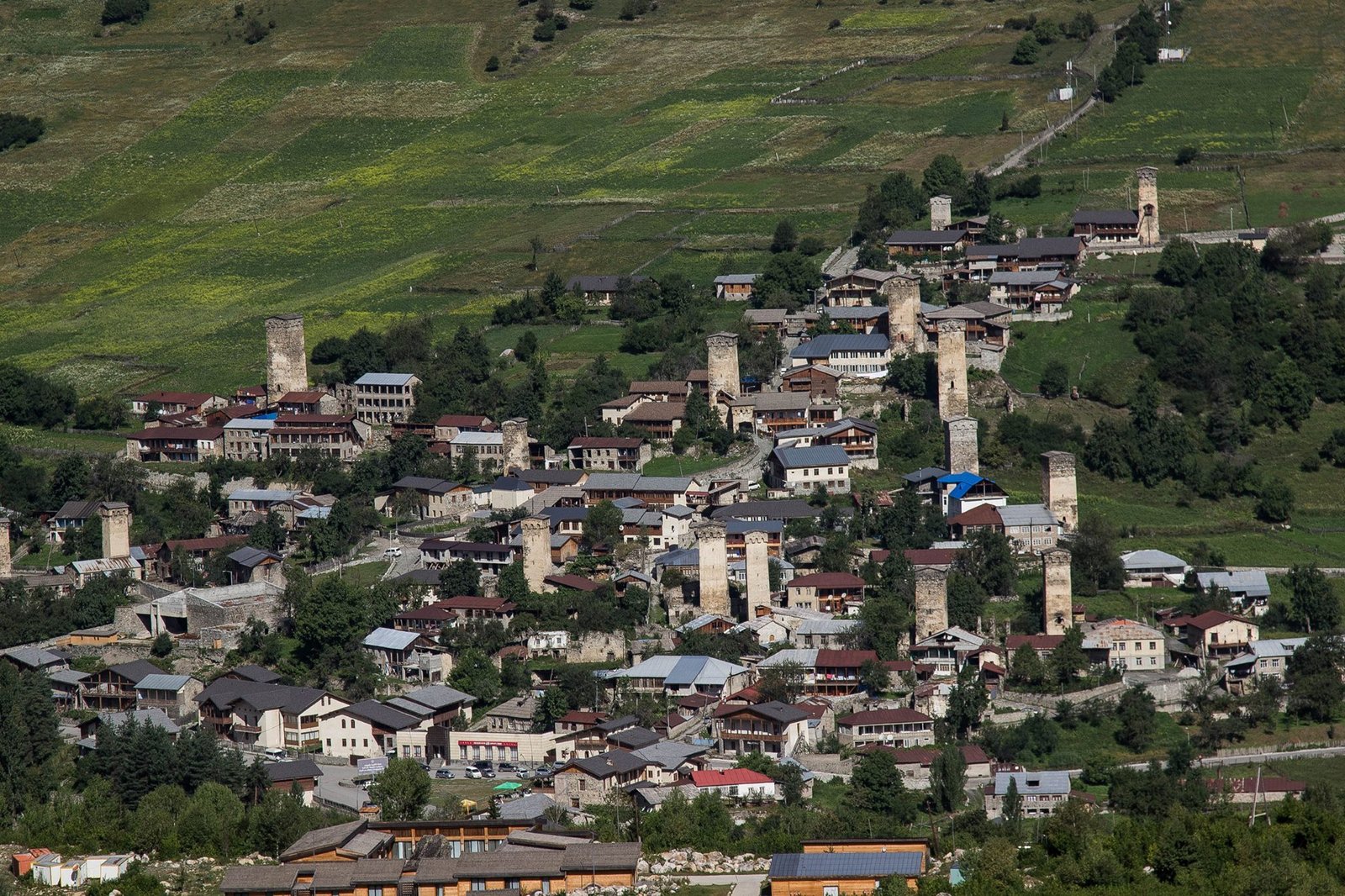
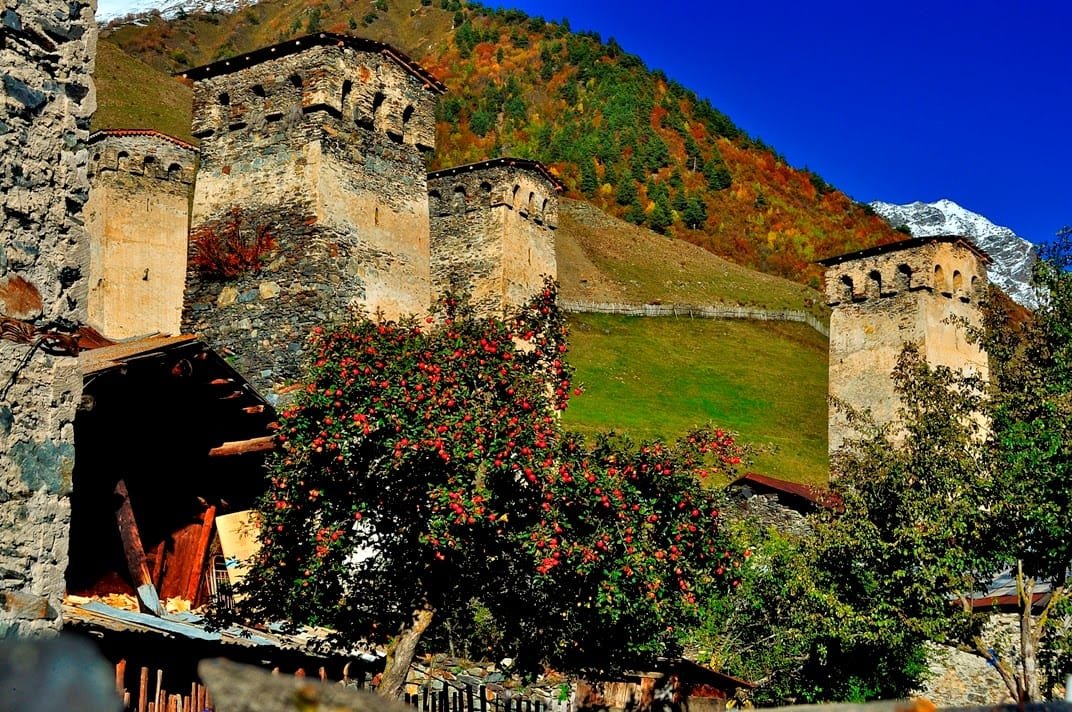
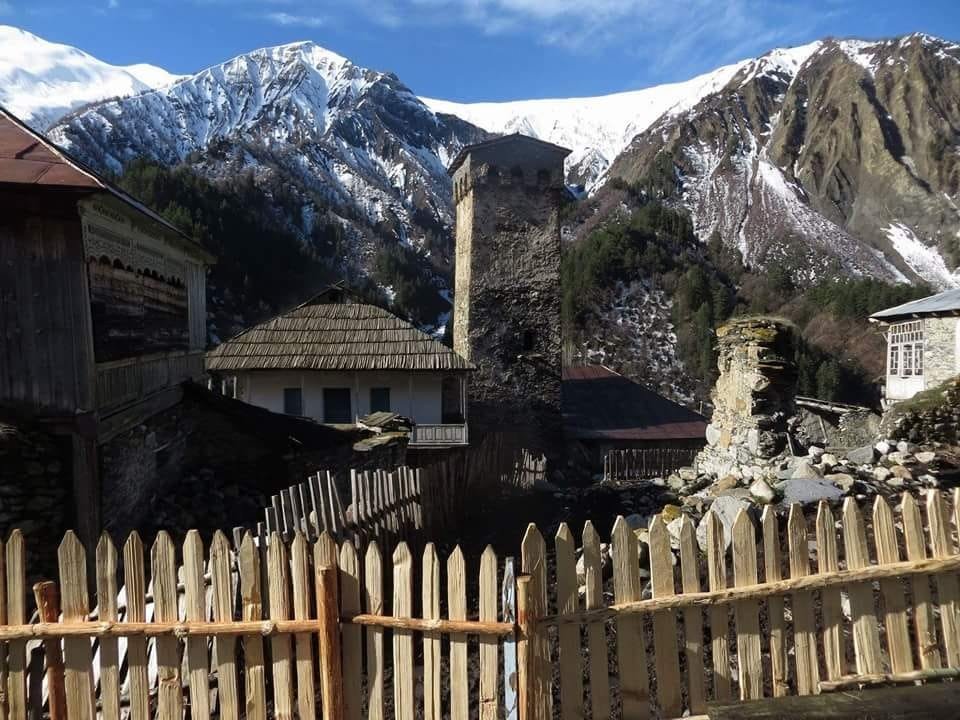
Svaneti is not only a mountain destination. It is a living cultural landscape where defensive towers still stand beside family homes, ancient churches preserve religious art, and rural communities keep traditions that developed in isolation for centuries. This tour gives you time to see the famous places, but also to understand the people, houses, roads, food, and village rhythm behind them.
Difficulty Level
This tour is rated easy to moderate. You should be comfortable walking for 3–5 hours on uneven terrain, with some elevation gain on hiking days. No technical hiking or previous trekking experience is required.
The tour pace can be adjusted to the group. If weather, trail conditions, or fitness level require changes, the guide may shorten a hike or adjust the day’s program.
Best Time to Visit
The best time for this tour is from June through September.
June usually brings green landscapes, wildflowers, and fewer visitors, though rain is possible. July and August are the warmest months and the most reliable for access to Ushguli and mountain trails. September brings cooler air, softer light, fewer crowds, and the beginning of autumn colors.
The road to Ushguli usually opens in late spring and remains accessible until the first heavy snow, but conditions can vary each year.
What to Bring
Sturdy walking shoes or hiking boots
Rain jacket
Warm fleece or light jacket for evenings
Sun protection, sunglasses, and hat
Small daypack
Refillable water bottle
Camera or phone with extra battery
Cash in Georgian Lari
Personal medication
Travel insurance documents
Good to Know
Accommodation is in family guesthouses. Rooms are clean and comfortable, but conditions are simpler than in city hotels. Bathrooms may be private or shared depending on the guesthouse and availability.
The road to Ushguli is rough in sections and requires experienced local drivers. The tour uses suitable vehicles and adjusts travel according to road and weather conditions.
This itinerary can be customized. You can add an overnight in Ushguli, include horse riding in Becho Valley, add Koruldi Lakes, extend the Chalaadi Glacier hike, or combine the tour with Tbilisi, Kakheti, Kazbegi, Racha, or a longer Georgia itinerary.
GALLERY
TOUR BY DAY
Day 1: Arrival in Svaneti
The tour begins when you arrive in Mestia or Becho, depending on your travel schedule and accommodation arrangement. Your guide or local host meets you and helps you settle into the guesthouse.
If arrival time allows, the afternoon includes a walk through Mestia’s historical quarters, such as Lanchvali and Lekhtagi. These old districts preserve some of the best examples of Svan defensive architecture: stone towers, family houses, narrow lanes, and views toward the surrounding mountains.
You may also visit the Margiani Tower House, one of the most interesting traditional houses in Mestia. Inside, you can see how Svan families used their homes for living, storage, livestock, and defense. It is a practical introduction to the architecture and social life of old Svaneti.
Dinner is served at the guesthouse. This is often the first meeting with Svan cuisine: kubdari, tashmijabi, homemade cheese, bread, vegetables, and dishes prepared by the host family.
Accommodation: Family guesthouse in Mestia or Becho
Meals: Dinner
Day 2: Becho Valley and Shdugra Waterfall
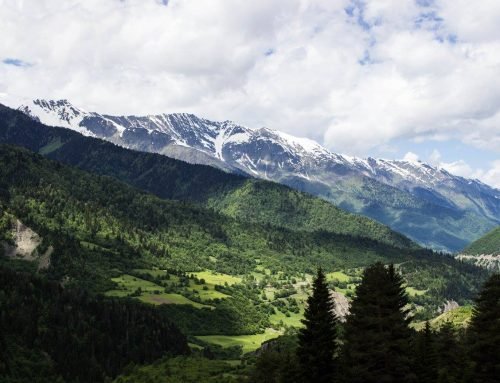
The second day takes you to Becho Valley, one of the most dramatic landscapes in Svaneti. In clear weather, the twin peaks of Mount Ushba dominate the valley, creating one of the strongest mountain views in the region.
The route to Shdugra Waterfall can be done as a hike, and horseback riding may be possible depending on availability and conditions. The trail follows the Dolra River through forest, meadows, and open valley scenery. In early summer the slopes are green and full of wildflowers; later in the season the valley becomes drier and more golden, with the glacier-fed river still cutting through the landscape.
The final section to the waterfall is usually done on foot. Shdugra Waterfall is powerful and cold, dropping through a steep rocky setting beneath the Ushba area. There is time to rest, take photos, and enjoy the scenery before returning.
In the afternoon, you return to Mestia or Becho. Depending on timing and energy, you may have free time for a short walk, a café, or an additional museum visit.
Activity: Hike or horseback ride option
Distance: Around 8–10 km round trip
Duration: Around 4–5 hours
Elevation gain: Around 400 m
Accommodation: Family guesthouse
Meals: Breakfast and dinner
Day 3: Ushguli — The Highest Village in Europe
This day is dedicated to Ushguli, one of the highest continuously inhabited settlements in Europe and a UNESCO World Heritage site. The drive from Mestia to Ushguli is part of the experience: a rough mountain road passing through traditional villages, river valleys, towers, and highland scenery.
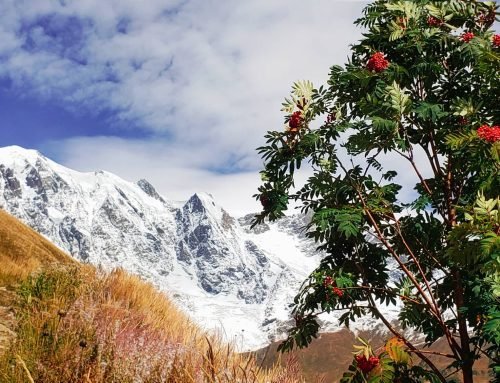
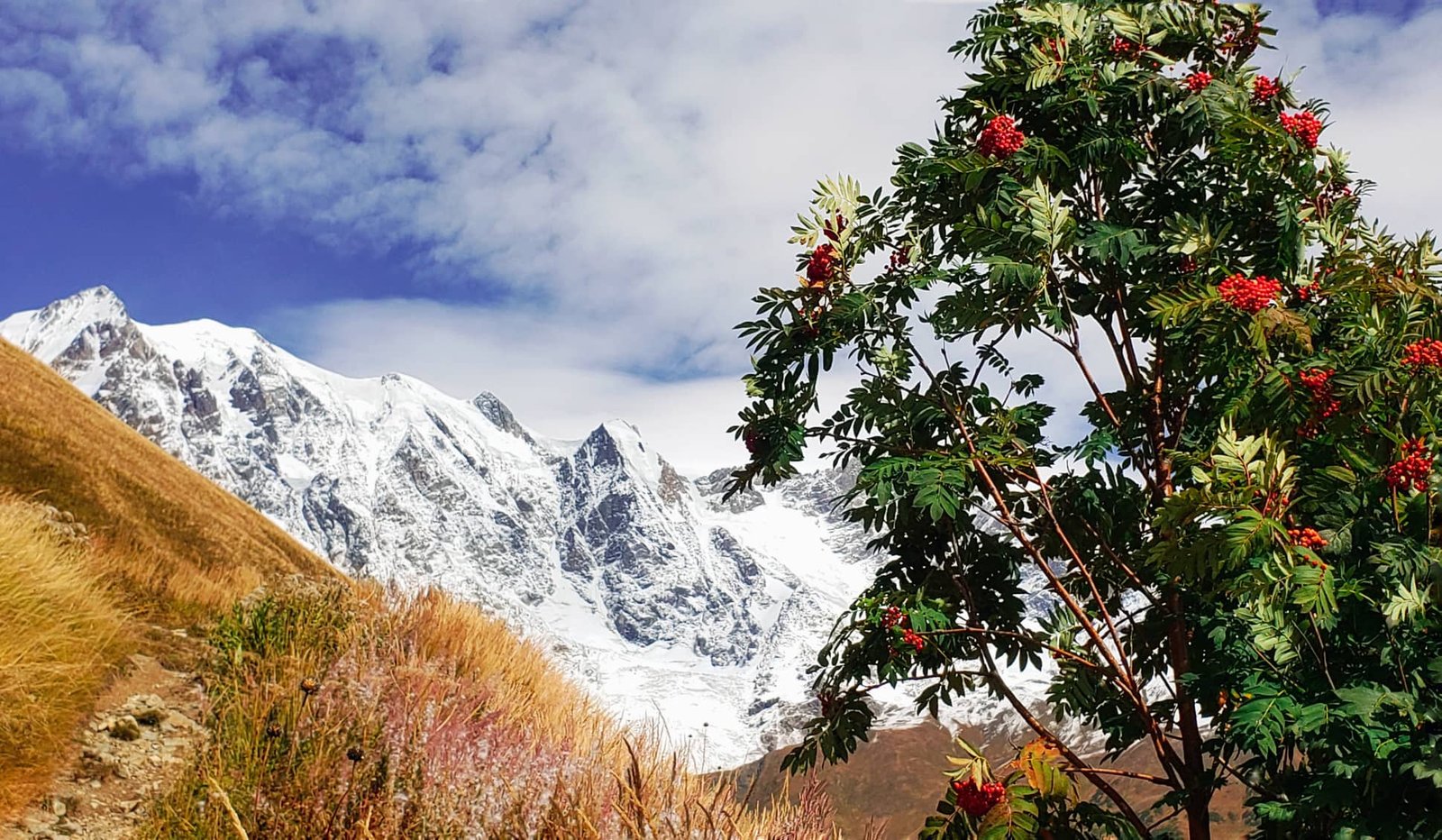
Ushguli is made up of several small villages located at around 2,200 meters above sea level. The settlement is known for its medieval towers, stone houses, Lamaria Church, and the wide view toward Mount Shkhara, Georgia’s highest peak.
You will have time to walk through the village, visit key cultural sites, and enjoy the atmosphere of a place that still feels remote despite its growing popularity. On a clear day, the view toward Shkhara and the upper Enguri Valley is one of the most memorable scenes in Svaneti.
Lunch can be arranged locally or taken in one of the village cafés, depending on the season and availability. In the late afternoon, you return to Mestia.
Activity: 4×4 excursion and walking
Travel time: Around 2–2.5 hours each way
Altitude: Around 2,200 m
Accommodation: Family guesthouse in Mestia
Meals: Breakfast and dinner
Day 4: Chalaadi Glacier and Lakhushdi Village
The morning begins with the Chalaadi Glacier hike, one of the most accessible glacier walks from Mestia. A short transfer takes you to the trailhead, and from there the route follows the Mestiachala River through forest before opening into a rocky valley shaped by ice and meltwater.
The hike is not technical, but the final approach includes stones and uneven ground. The scenery changes quickly from green forest to cold glacier terrain, with the sound of the river and high mountain slopes around you. Your guide chooses a safe viewpoint near the glacier.
After the hike and lunch, the tour continues to Lakhushdi village in the Latali community. Lakhushdi is a quieter village with traditional houses, towers, gardens, and rural life that feels far from the busier parts of Mestia. It is a good place to see everyday Svaneti rather than only the famous landmarks.
From Lakhushdi, you take a short hike to Tangili Church, a medieval church on a hillside above the village. The walk is light and scenic, with forest, village views, and a strong sense of local history. Dinner is served with a local family in Latali, using seasonal ingredients and traditional Svan recipes.
Morning activity: Chalaadi Glacier hike
Distance: Around 6 km round trip
Duration: Around 3 hours
Afternoon: Lakhushdi village and Tangili Church
Accommodation: Family guesthouse
Meals: Breakfast and dinner
Day 5: Mestia Museum and Departure
The final morning includes a visit to the Mestia Museum of History and Ethnography. The museum is one of the best cultural stops in Svaneti, with medieval icons, manuscripts, church objects, weapons, household items, and archaeological finds from the region.
The collection helps explain why Svaneti was historically important as a place of preservation. Sacred objects and artworks survived here because of the region’s isolation and the role of local families and churches in protecting them.
After the museum visit, the tour ends. Depending on your travel plan, your guide can help with onward transport from Mestia to Zugdidi, Kutaisi, Tbilisi, Batumi, or another region of Georgia.
Activity: Museum visit
Duration: Around 1.5–2 hours
Departure: Flexible timing
Meals: Breakfast
ROUTE / MAP
Tour price details
Before you book
Fitness level
Moderate. You should be comfortable walking several hours per day on mountain trails.
Weather
Mountain weather can change quickly. Warm and waterproof clothing is recommended.
Accommodation
Guesthouses are authentic and simple. Private bathrooms may be limited.
Best time
Usually from June to October, depending on snow and trail conditions.
PLAN YOUR SVANETI TREK
Send us your travel dates
We will check availability, recommend the best route format and explain what is realistic for your dates, group size and comfort expectations.
+995 577 748 793
tours@svanetitrekking.com